Welcome to America's Necropolis
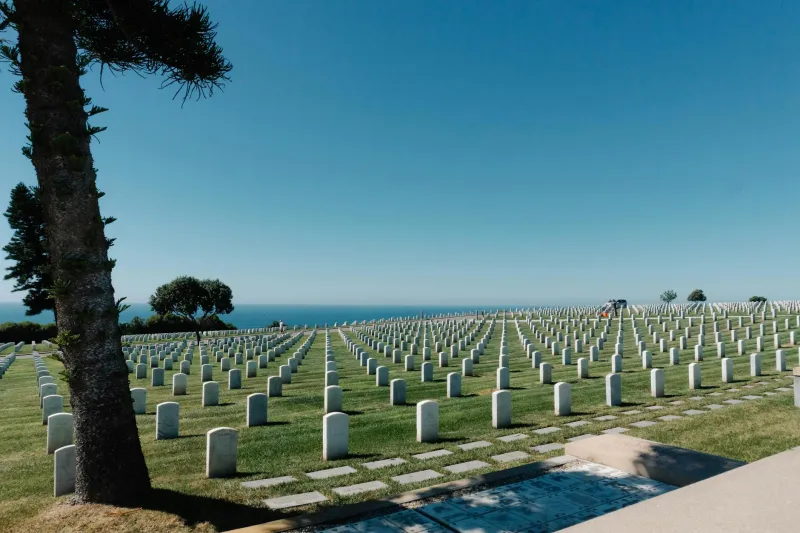
Driving through Colma, California, you'll notice something immediately unsettling: the dead outnumber the living by roughly 1,000 to one. This isn't the setup for a horror movie — it's the business plan for one of America's most unusual municipalities.
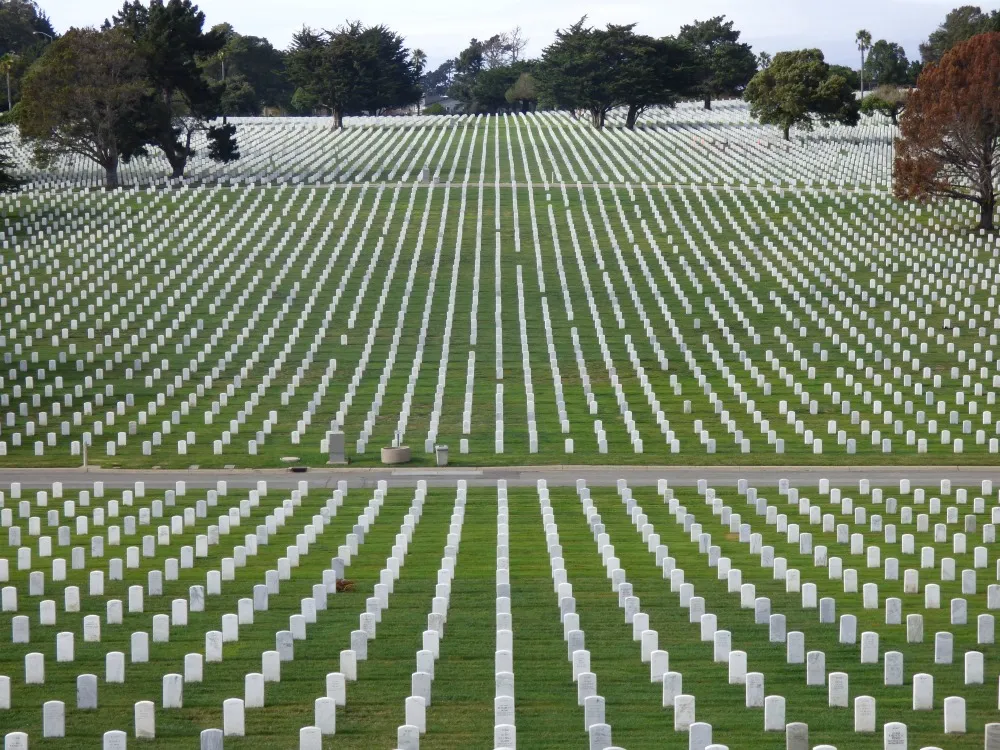 Photo: Colma, California, via i0.wp.com
With 17 cemeteries packed into just 1.9 square miles, Colma has built its entire existence around a single industry: death. The town motto, printed on official stationery with surprising cheerfulness, reads "It's Great to Be Alive in Colma." The irony is intentional.
But in the 1990s, this city of the dead faced an existential crisis that no urban planning textbook had ever anticipated.
How San Francisco Created a Ghost Town
Colma's bizarre origin story begins with San Francisco's real estate problem — specifically, the inconvenient fact that dead people take up valuable space forever.
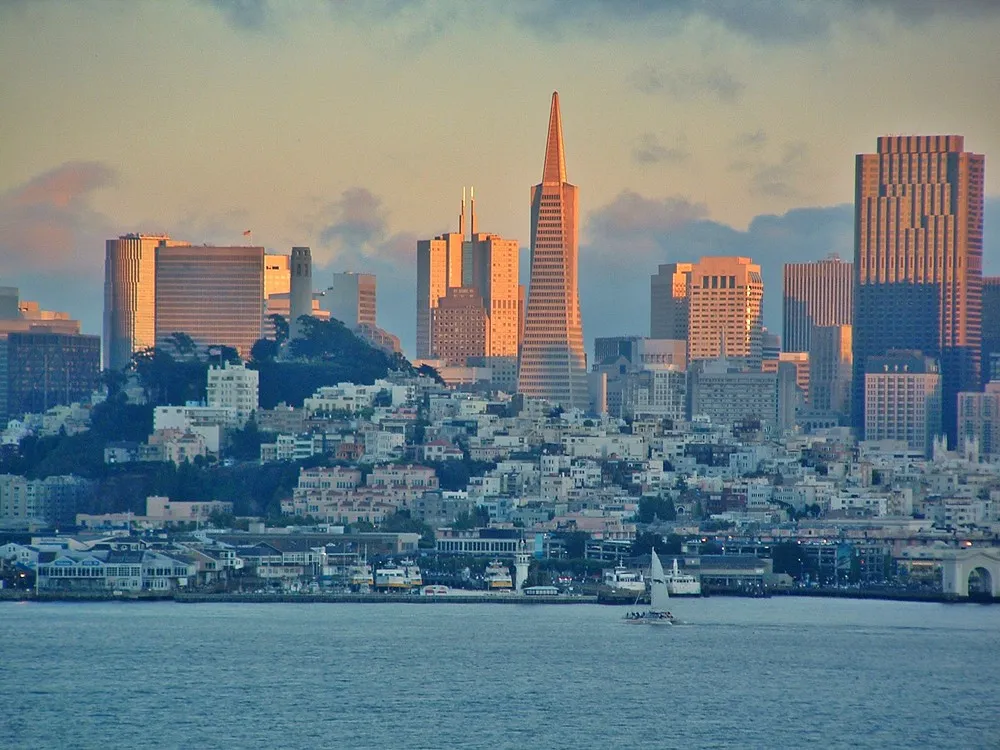 Photo: San Francisco, via famouswonders.com
In 1900, San Francisco banned new burials within city limits. By 1914, they'd gone further, ordering the removal of existing cemeteries to make room for the living. Bodies were exhumed by the thousands and relocated to a collection of cemeteries just south of the city.
The lucky corpses ended up in Colma, a sleepy agricultural town that suddenly found itself in the death business whether it wanted to be or not.
Building an Economy on Eternal Rest
What started as an emergency relocation became Colma's defining characteristic. The town discovered that dead people make ideal residents: they don't complain about municipal services, they never vote in local elections, and they generate steady revenue through burial fees, maintenance costs, and visitor spending.
For decades, this arrangement worked beautifully. Colma became the final resting place for everyone from Wyatt Earp to Joe DiMaggio. The cemeteries provided jobs for groundskeepers, funeral directors, and monument craftsmen. Property taxes from cemetery operators funded schools and city services.
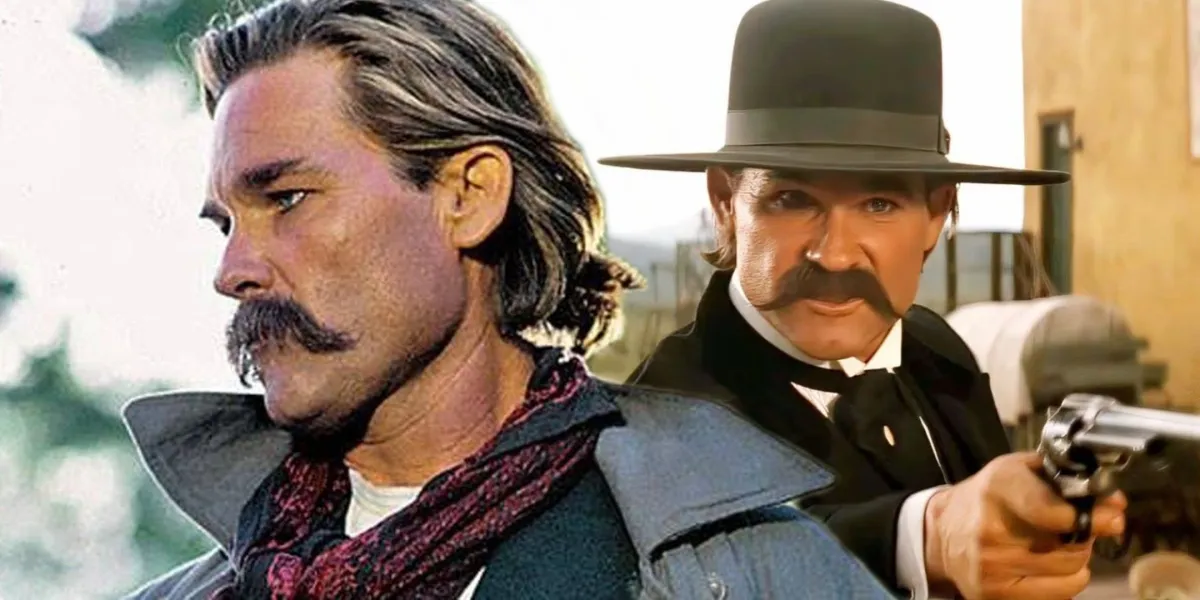 Photo: Wyatt Earp, via static1.srcdn.com
It was the perfect symbiotic relationship — until California decided to regulate death.
When Regulations Threatened Eternity
By the 1990s, state environmental regulations were making cemetery operations increasingly complex. New rules governed everything from groundwater protection to embalming fluid disposal. Older cemeteries faced expensive upgrades to meet modern standards.
Meanwhile, surrounding cities were expanding, driving up land values and property taxes. Some cemetery operators began eyeing their vast, underutilized acreage and wondering if the dead were really the highest and best use of prime Bay Area real estate.
Colma city officials watched nervously as their primary tax base contemplated relocating to cheaper, less regulated locations. The town that had built its identity around permanence suddenly faced the possibility that death might not be forever after all.
The Crisis of Finite Infinity
The mathematics of death had always favored Colma. People die at a predictable rate, creating steady demand for burial services. But the town's leaders hadn't considered what happens when you run out of places to put new customers.
By the late 1990s, most of Colma's cemeteries were approaching capacity. The remaining available plots commanded premium prices, pricing out many families who had traditionally buried their relatives there.
Worse, cremation was becoming more popular, reducing demand for traditional burial plots. The industry that had sustained Colma for nearly a century was facing disruption from changing consumer preferences.
Diversifying Beyond Death
Faced with an economy built entirely around a single, increasingly uncertain industry, Colma began the awkward process of economic diversification. The challenge: how do you market a town whose primary selling point is that it's full of dead people?
City planners explored various options. Light manufacturing? The cemetery-adjacent industrial parks felt too much like a setup for a bad joke. Retail development? Shopping next to graveyards struck many as inappropriate.
The solution, when it came, was almost as strange as the original problem.
The Resurrection Strategy
Colma's salvation came from an unexpected source: car dealerships. The town's location along major highways, combined with relatively affordable land prices (even cemetery-adjacent property was cheaper than most Bay Area real estate), made it attractive to auto dealers looking to escape San Francisco's high costs.
One by one, car lots began appearing along Colma's main thoroughfares. The juxtaposition was surreal — gleaming new vehicles displayed within sight of century-old headstones — but it worked.
The auto dealers brought jobs, tax revenue, and customers who had no particular interest in Colma's morbid history. For the first time in decades, the town had an economy that didn't depend entirely on people dying.
The Living and the Dead Coexist
Today, Colma has successfully balanced its original identity with economic necessity. The cemeteries remain the town's most distinctive feature, but they're no longer its only source of revenue.
Visitors can buy a car in the morning and visit Wyatt Earp's grave in the afternoon. The town has embraced its unique position as a place where commerce and commemoration exist side by side.
City officials still joke about their unusual demographics — the 1,500 living residents are vastly outnumbered by approximately 1.5 million permanent ones. But they've learned that even the most specialized economy needs backup plans.
Lessons from the Land of the Dead
Colma's near-death experience offers a peculiar case study in economic resilience. The town discovered that building your entire identity around a single industry — even one as reliable as death — carries risks that no amount of careful planning can eliminate.
Their solution wasn't to abandon their unique character but to complement it with practical alternatives. Today, Colma remains America's city of the dead, but it's also a place where the living can buy a Honda.
It's probably the only town in America where the chamber of commerce has to balance promoting local businesses with maintaining the dignity of the deceased. But somehow, it works.