The Walk That Changed Everything
Every dog owner knows the routine. Same path, same time, same spots where your four-legged friend insists on sniffing absolutely everything. For a middle-aged couple in rural Northern California, their daily walk with their dog had become as predictable as sunrise.
Until February 2013, when their routine stroll turned into the discovery of a lifetime.
The couple, who have remained anonymous and are known only as "John and Mary," were walking their property when Mary noticed something unusual protruding from the ground near an old oak tree. It looked like the edge of a rusty can, barely visible through decades of accumulated dirt and leaves.
Most people would have kept walking. Mary decided to investigate.
What Lies Beneath
What started as mild curiosity quickly became something extraordinary. The "rusty can" turned out to be a decaying metal container filled with gold coins. Not just a few coins—dozens of them, all dating from the 1800s.
The couple carefully extracted the container and began searching the area more systematically. What they found defied belief: eight separate caches buried in the shadow of that oak tree, containing a total of 1,427 gold coins spanning from 1847 to 1894.
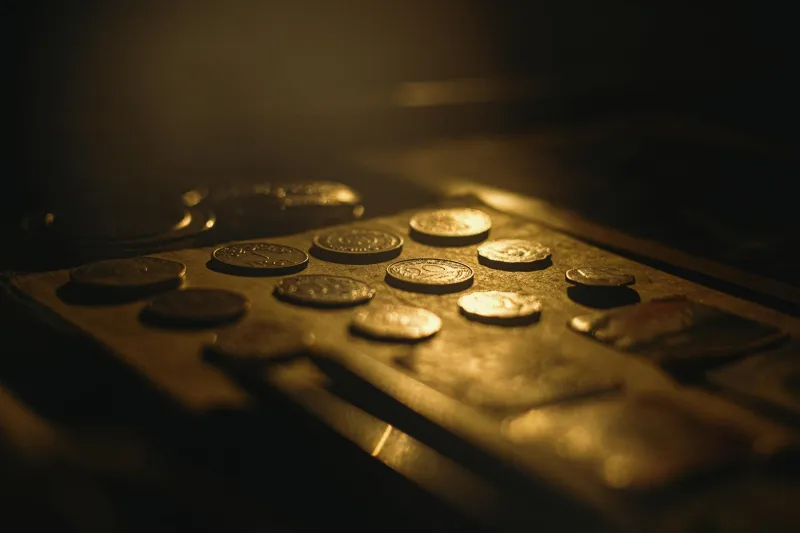
The coins weren't just old—they were in remarkable condition. Many appeared to have been buried shortly after being minted, with some so well-preserved that they looked like they could have been struck yesterday. The collection included rare dates and mint marks that made coin collectors' hearts race and auction houses start calculating commissions.
The Numbers That Don't Add Up
When professional coin appraisers examined the hoard, they determined its value at over $10 million, making it the largest buried treasure ever discovered in the United States. But the financial value was just the beginning of the mystery.
The coins represented a massive fortune for their era. In 1890s dollars, this collection would have been worth approximately $27,000—equivalent to about $800,000 in today's money. Someone had buried what amounted to a small fortune and never returned for it.
Even more puzzling was the timeline. The coins spanned nearly five decades, suggesting they weren't buried all at once but accumulated over time. The most recent coins dated to 1894, providing the earliest possible date for when the final cache was hidden.
The Ghost of Gold Country
The discovery location added another layer to the mystery. The couple's property sits in California's Gold Country, where thousands of prospectors had swarmed during the 1849 Gold Rush and its aftermath. This was exactly the kind of place where someone might accumulate and hide a fortune in gold.
But who? Historical records from the area mention several possibilities: successful miners who struck it rich, businessmen who profited from selling supplies to prospectors, or even outlaws who robbed stagecoaches carrying gold shipments. The region's history is filled with stories of sudden wealth and equally sudden disappearances.
One tantalizing clue emerged from local historical societies. In the 1890s, a reclusive man known only as "Walter" was rumored to live somewhere in the area. Neighbors described him as paranoid about banks and government, the type of person who might prefer to bury his wealth rather than trust it to financial institutions. Walter supposedly disappeared around 1894—the same year as the most recent coins in the hoard.
But Walter, if he existed, left no official records, no property deeds, no trail that modern investigators could follow.
Legal Treasure Hunters
Once word of the discovery leaked, the couple faced an unexpected challenge: proving they had the legal right to keep their find. California's treasure trove laws are surprisingly complex, and several parties came forward claiming connections to the coins.
The federal government investigated whether the coins might have been stolen from a U.S. Mint, but analysis of the coins' mint marks and historical shipping records found no matches to any known thefts. The state of California examined whether the treasure qualified as abandoned property that should revert to public ownership, but ultimately determined that the coins belonged to the property owners.
Local historical societies and descendant groups also made claims, but without concrete evidence linking the coins to specific individuals, these efforts failed.
The Mystery That Refuses to Die
Professional historians and amateur sleuths have spent years trying to solve the mystery of who buried the Saddle Ridge Hoard, as it came to be known. They've combed through old newspapers, mining records, and census data. They've interviewed elderly locals whose families had lived in the area for generations.
Every lead has ended in speculation.
The coins themselves offer few clues. They came from multiple mints—San Francisco, Carson City, and Philadelphia—suggesting the collector acquired them through normal commerce rather than a single source like a bank robbery. The condition variations indicate some coins circulated before being buried while others went straight from mint to ground.
What $10 Million Buys You
The couple chose to sell most of their discovery through a rare coin dealer, keeping only a few pieces as mementos. The sales generated exactly the kind of attention treasure hunters dream about—and exactly the kind they actually dread.
Suddenly their quiet rural property became a magnet for metal detector enthusiasts, amateur archaeologists, and outright trespassers convinced that more treasure remained buried. The couple had to install security systems and post no-trespassing signs to protect their privacy.
They've used their windfall responsibly, paying off debts, making charitable donations, and setting aside funds for retirement. But they've also learned that finding buried treasure creates as many complications as it solves.
The Lesson in the Dirt
The Saddle Ridge Hoard proves that America still holds secrets waiting to be discovered by anyone curious enough to investigate something unusual. In an age of GPS mapping and satellite imagery, there are still mysteries buried literally underfoot.
But perhaps the most remarkable aspect of this story isn't the gold itself—it's the reminder that extraordinary discoveries can happen during the most ordinary moments. A routine dog walk, a brief moment of curiosity about something that looked out of place, and suddenly two people became part of American treasure-hunting legend.
Somewhere in Northern California, an old oak tree stands as a monument to the power of paying attention to details that don't quite fit. And somewhere else, perhaps, other treasures wait for the next curious dog walker to notice something glinting in the dirt.