
The Day a Court Had to Define Lunch
In 2006, the White Plains Galleria in New York faced what seemed like a routine lease dispute. Panera Bread had signed an exclusive contract preventing the mall from renting space to other "sandwich" shops. When Qdoba Mexican Grill wanted to move in, Panera sued, claiming burritos were sandwiches and therefore violated their exclusivity agreement.
The case landed before Judge Jeffrey Locke, who suddenly found himself with the most ridiculous job assignment in American legal history: he had to create a legally binding definition of what constitutes a sandwich.
Judge Locke probably thought this would be a quick ruling. After all, everyone knows what a sandwich is, right?
He was about to discover that nobody — not chefs, not food scientists, not even dictionary writers — had ever successfully defined a sandwich in a way that didn't immediately create absurd contradictions.
When Food Fights Go to Federal Court
The Panera v. Qdoba case should have been a footnote in commercial real estate law. Instead, it opened a legal can of worms that's still creating chaos in courtrooms, tax offices, and corporate boardrooms across America.
Judge Locke's initial ruling seemed straightforward: he determined that burritos were not sandwiches because they used a single tortilla folded around the filling, while sandwiches required two separate pieces of bread.
But his decision created an immediate problem. If sandwiches required two pieces of bread, what about submarine sandwiches, which use a single piece of bread cut partway through? What about pita pockets? Or tacos?
Food industry lawyers realized that Judge Locke had accidentally created a legal precedent that could be applied to every food classification dispute in America. And those disputes, it turned out, involved billions of dollars in taxes, regulations, and commercial contracts.
The Great Hot Dog Controversy
The most explosive consequence of the Panera ruling emerged in 2011 when New York State's tax tribunal faced a question that sounds like a late-night dorm room debate: are hot dogs sandwiches?
The case arose from a seemingly mundane tax dispute. New York exempts most food from sales tax, but prepared foods sold for immediate consumption are taxable. The state needed to determine whether hot dogs fell under the "sandwich" category for tax purposes.
Using Judge Locke's precedent, Administrative Law Judge Timothy Alston ruled that hot dogs were indeed sandwiches — they consisted of filling placed between two pieces of bread (the split hot dog bun).
The hot dog industry went ballistic.
When Sausages Hire Lawyers
The National Hot Dog and Sausage Council — yes, that's a real organization — immediately issued a statement declaring that "a hot dog is not a sandwich." They argued that hot dogs represented a distinct American culinary tradition that predated and transcended the sandwich category.
But their protest revealed an uncomfortable truth: if hot dogs weren't sandwiches, then neither were submarine sandwiches, Italian grinders, or any other food served on a split roll. The hot dog lobby had accidentally challenged the legal foundation of half the foods served at American delis.
Meanwhile, other food industries began choosing sides in what became known as the "Sandwich Wars." The American Burrito Association (also real) celebrated the Panera ruling that protected their products from sandwich classification. The National Taco Association remained diplomatically neutral.
The Ripple Effect That Broke Menus
Judge Locke's sandwich definition created chaos far beyond tax law. Restaurants discovered that their insurance policies, health department classifications, and franchise agreements all used different definitions of "sandwich" that were now legally questionable.
A Subway franchise owner in Ohio found that his insurance company was using the Panera precedent to argue that his submarine sandwiches weren't actually sandwiches, potentially voiding his coverage. A food truck in California discovered that its business license limited it to "sandwich sales," but local health inspectors were using the hot dog ruling to reclassify half their menu items.
Grocery stores faced similar confusion. Were they selling sandwiches in their deli sections or something else entirely? The answer affected everything from labeling requirements to tax calculations to supplier contracts.
The Philosophy of Food
The sandwich classification crisis forced Americans to confront uncomfortable questions about the nature of food itself. If a hot dog becomes a sandwich when you split the bun, at what point does bread stop being bread and become a sandwich component?
Culinary schools began teaching "Food Law" courses to help future chefs navigate the legal minefield of menu classification. Law schools added food regulation seminars to help attorneys understand the commercial implications of seemingly simple definitions.
Philosophers and food writers weighed in with increasingly complex theories about the essential nature of sandwiches. Was it about the bread-to-filling ratio? The method of consumption? The cultural context in which the food was created?
The Case That Keeps on Giving
More than a decade after Judge Locke's ruling, new sandwich classification disputes emerge regularly. The rise of food delivery apps created fresh confusion — are wraps sandwiches for delivery fee purposes? What about flatbread pizzas?
The legal definition of a sandwich has become so contentious that some courts now refuse to address food classification cases, referring them back to legislative bodies or regulatory agencies. Others have created increasingly complex multi-factor tests that read like abstract art criticism.
One federal appeals court ruling on sandwich classification ran 47 pages and included footnotes debating the philosophical implications of open-faced sandwiches and the historical significance of the Earl of Sandwich's original creation.
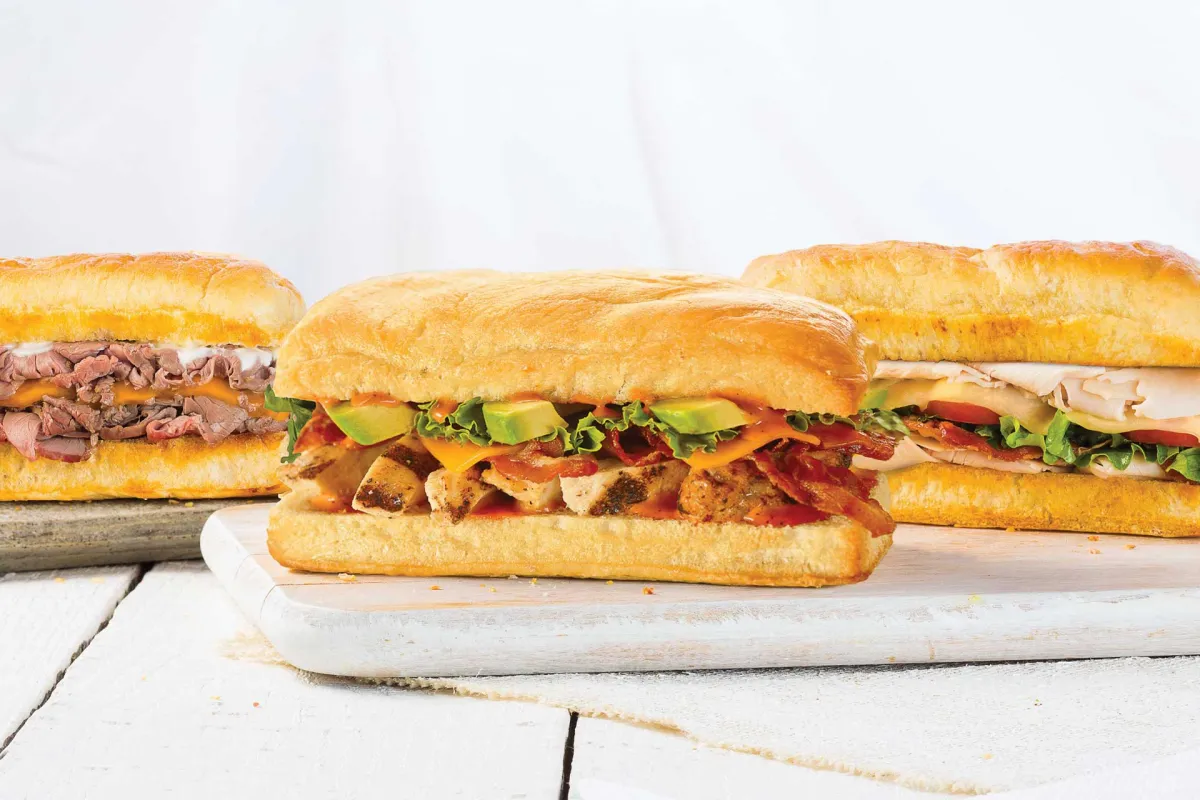 Photo: Earl of Sandwich, via earlofsandwichusa.com
The Lunch That Launched a Thousand Lawsuits
Judge Locke's attempt to resolve a simple mall lease dispute accidentally created one of the most cited food law precedents in American history. His ruling has been referenced in tax cases, insurance disputes, trademark litigation, and regulatory proceedings across the country.
The sandwich definition question has become so legally complex that some major food corporations now employ specialized attorneys whose sole job is navigating food classification law. These "sandwich lawyers" command premium salaries for their expertise in what was supposed to be the simplest question in the culinary world.
The Verdict That Nobody Wanted
The most absurd aspect of the sandwich classification crisis is that nobody actually wanted it to happen. Judge Locke was trying to resolve a commercial dispute, not revolutionize American food law. The hot dog industry never intended to challenge the legal foundation of deli menus. Food regulators certainly didn't want to spend their time debating the metaphysical nature of bread.
But once the legal precedent was set, it took on a life of its own. Every food classification dispute now references the Panera ruling, creating an ever-expanding web of contradictory definitions and competing interpretations.
So the next time you order a hot dog, remember: you're not just buying lunch. You're participating in one of the most contentious legal debates in American history, courtesy of a judge who just wanted to figure out whether a burrito could compete with Panera Bread.
The sandwich may have been invented by the Earl of Sandwich, but it was defined by American lawyers — and they're still arguing about it.