When Baseball Refused to End
April 18, 1981, started like any other chilly spring evening in Pawtucket, Rhode Island. The hometown Red Sox were hosting the Rochester Red Wings in what everyone expected to be a routine Triple-A baseball game. Three hours later, it would have been.
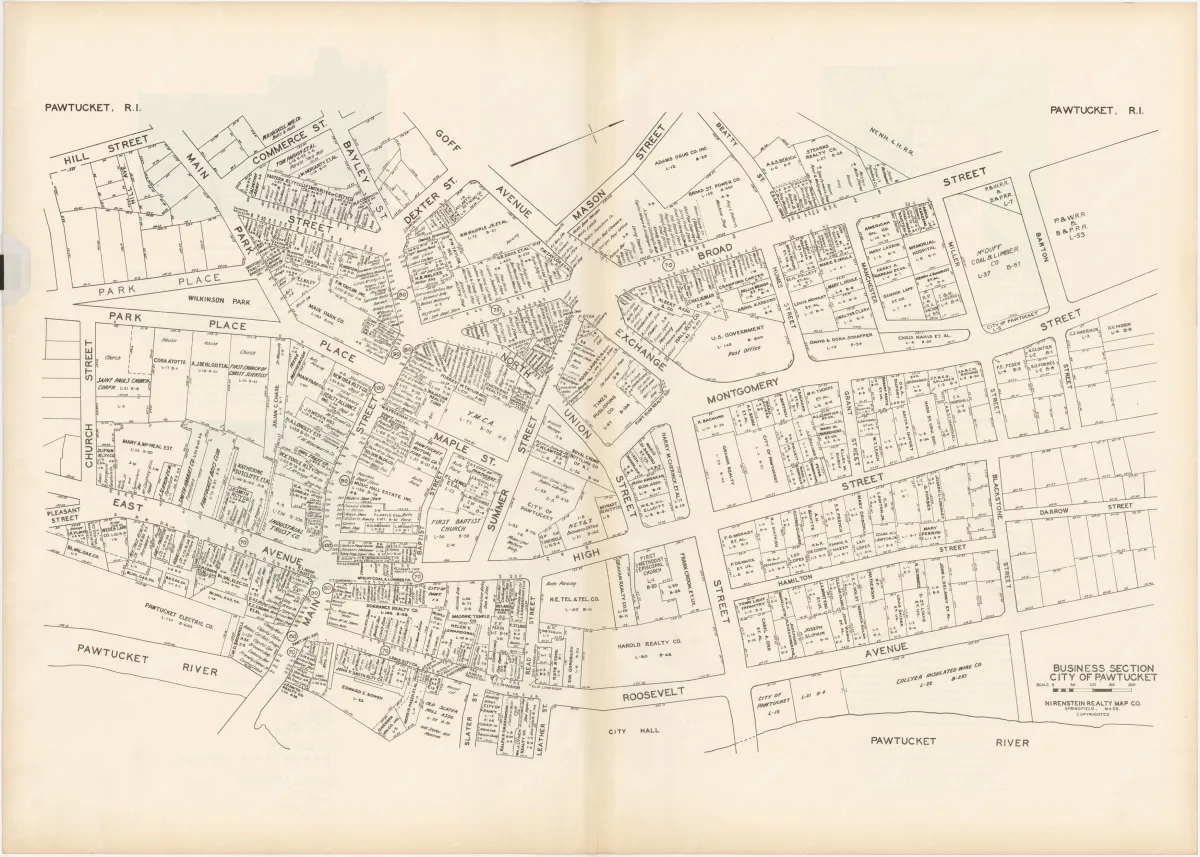 Photo: Pawtucket, Rhode Island, via wardmaps.com
Eight hours and twenty-five minutes later, something unprecedented was happening at McCoy Stadium — and nobody knew how to make it stop.
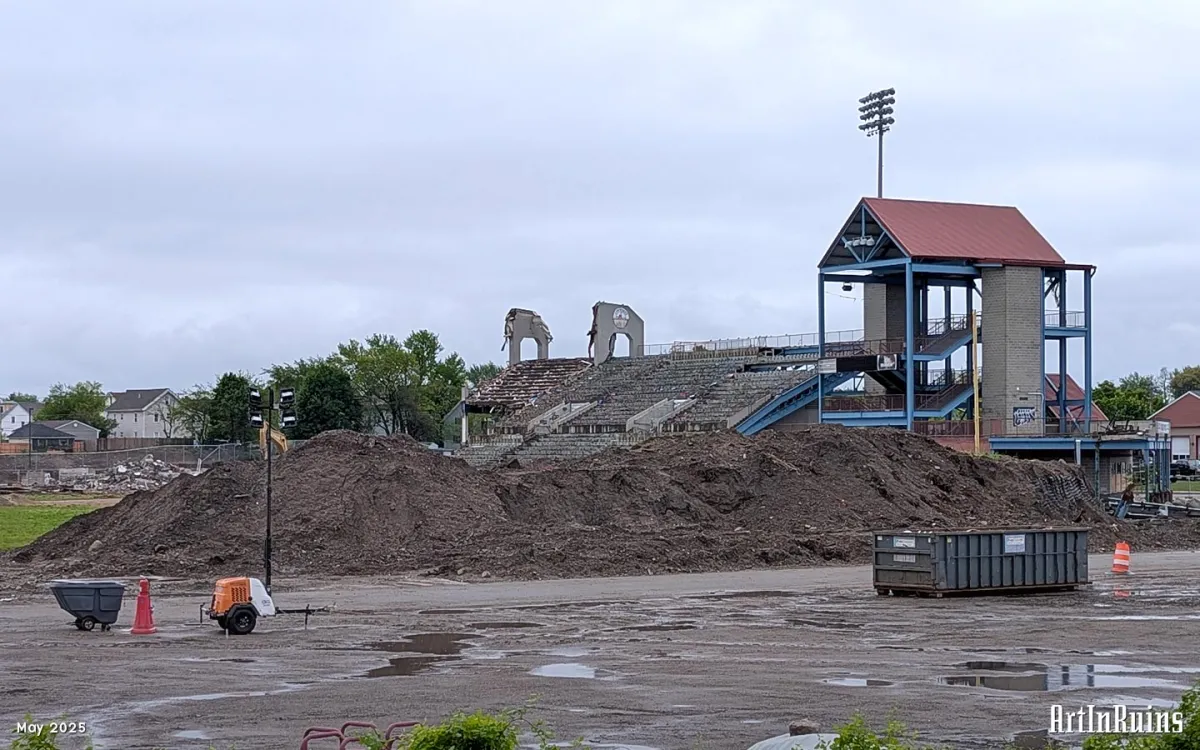 Photo: McCoy Stadium, via artinruins.com
The Game That Time Forgot
What began as a normal 7:30 PM first pitch had transformed into baseball's equivalent of a medieval siege. By 1 AM, both teams were tied 2-2, having exhausted their starting lineups, their bench players, and any reasonable expectation that the night would ever end.
The rules were simple enough: baseball games continue until someone wins. No time limits, no mercy rule, no escape clause for players who had to be at their day jobs in six hours.
In the stands, the crowd had dwindled from over 1,700 fans to fewer than two dozen die-hards who'd either lost track of time or lost their minds. Some wrapped themselves in programs for warmth. Others had given up and were openly napping in the bleachers.
Players Running on Fumes and Stubbornness
By the 20th inning, Rochester pitcher Larry Jones had thrown so many pitches his arm felt like rubber. Pawtucket's Wade Boggs — who would later become a Hall of Famer — was playing third base in a state that could charitably be described as "functional delirium."
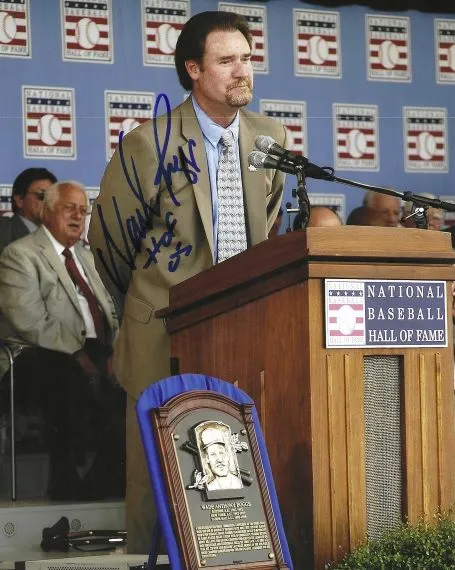 Photo: Wade Boggs, via www.mainlineautographs.com
Players began making errors that defied explanation. Routine ground balls turned into adventures. Fly balls disappeared into the darkness beyond the stadium lights. One Rochester player later admitted he'd started seeing things that weren't there.
"Around the 25th inning, I was pretty sure there were fans in the outfield," he recalled. "There weren't any fans left anywhere."
The Officials Who Couldn't Call It Off
The umpires found themselves in an impossible position. Professional baseball had rules for rain delays, equipment failures, and player ejections, but nothing in the handbook covered what to do when a game simply refused to reach a conclusion.
Home plate umpire Dennis Cregg later described the surreal experience of calling balls and strikes while both teams operated in a kind of shared hallucination. "We kept looking at each other like, 'Is this really happening?'"
Meanwhile, league officials were fast asleep in their beds, blissfully unaware that two of their teams were trapped in what amounted to baseball purgatory.
The Fans Who Became Family
The remaining spectators had bonded into something resembling a support group. They shared coffee, blankets, and increasingly desperate theories about when the madness might end.
One fan had called his wife around midnight to explain he'd be late. By 3 AM, he was calling to explain that "late" might mean "sometime tomorrow." Another had missed his morning shift at a local factory because he refused to leave before seeing how the story ended.
"We weren't just watching baseball anymore," one survivor recalled. "We were witnesses to something that probably shouldn't have been allowed to happen."
The Moment Someone Finally Blinked
After 32 complete innings — eight hours and twenty-five minutes of actual playing time — league president Harold Cooper was finally reached by phone. His response was immediate and decisive: suspend the game and finish it later.
The announcement came at 4:07 AM, greeted by a mixture of relief and disbelief from the handful of people still conscious enough to care. Both teams had used every available player. The concession stands had run out of everything except stale popcorn and regret.
The Anticlimactic Conclusion
Two months later, on June 23, the teams returned to complete their interrupted marathon. It took exactly 18 minutes and one batter for Pawtucket to score the winning run in the bottom of the 33rd inning.
The crowd for the "conclusion" was larger than the crowd that had witnessed the bulk of the game, creating the bizarre situation where more people saw the ending than the middle.
Dave Koza drove in the winning run with a single, ending what remains the longest professional baseball game in history. His teammates carried him off the field like he'd won the World Series, which, given what they'd all endured, didn't seem like an overreaction.
The Record That Nobody Wants to Break
The 1981 Pawtucket-Rochester game became legendary for all the wrong reasons. It proved that sometimes following the rules to their logical conclusion leads to conclusions that aren't logical at all.
Major League Baseball eventually implemented guidelines to prevent similar situations, recognizing that player safety and basic human decency should probably trump the theoretical purity of letting games continue forever.
The game also produced one of sports' most telling statistics: the official attendance for the suspended portion was 1,740. For the conclusion two months later, it was 5,746. Apparently, everyone wanted to say they were there when it ended — but nobody wanted to actually sit through what it took to get there.