The Day Someone Actually Owned the Sun
In November 2010, a 49-year-old Spanish woman named Angeles Duran walked into a notary office in her hometown of Salvaterra do Miño with the most audacious property claim in human history. She wanted to register the Sun as her personal property.
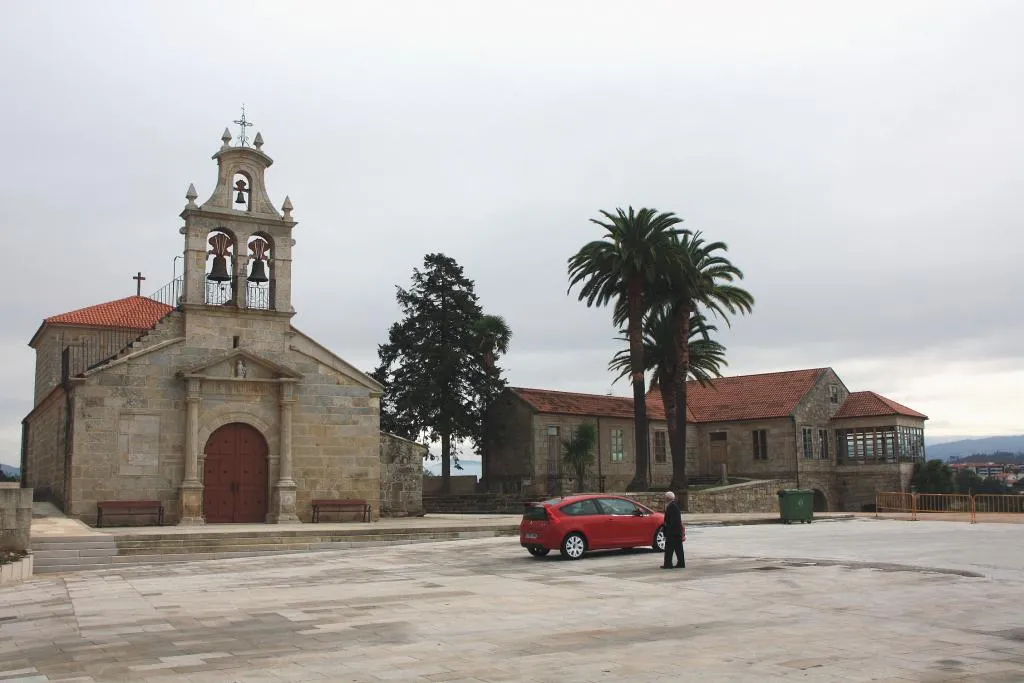 Photo: Salvaterra do Miño, via www.fotopaises.com
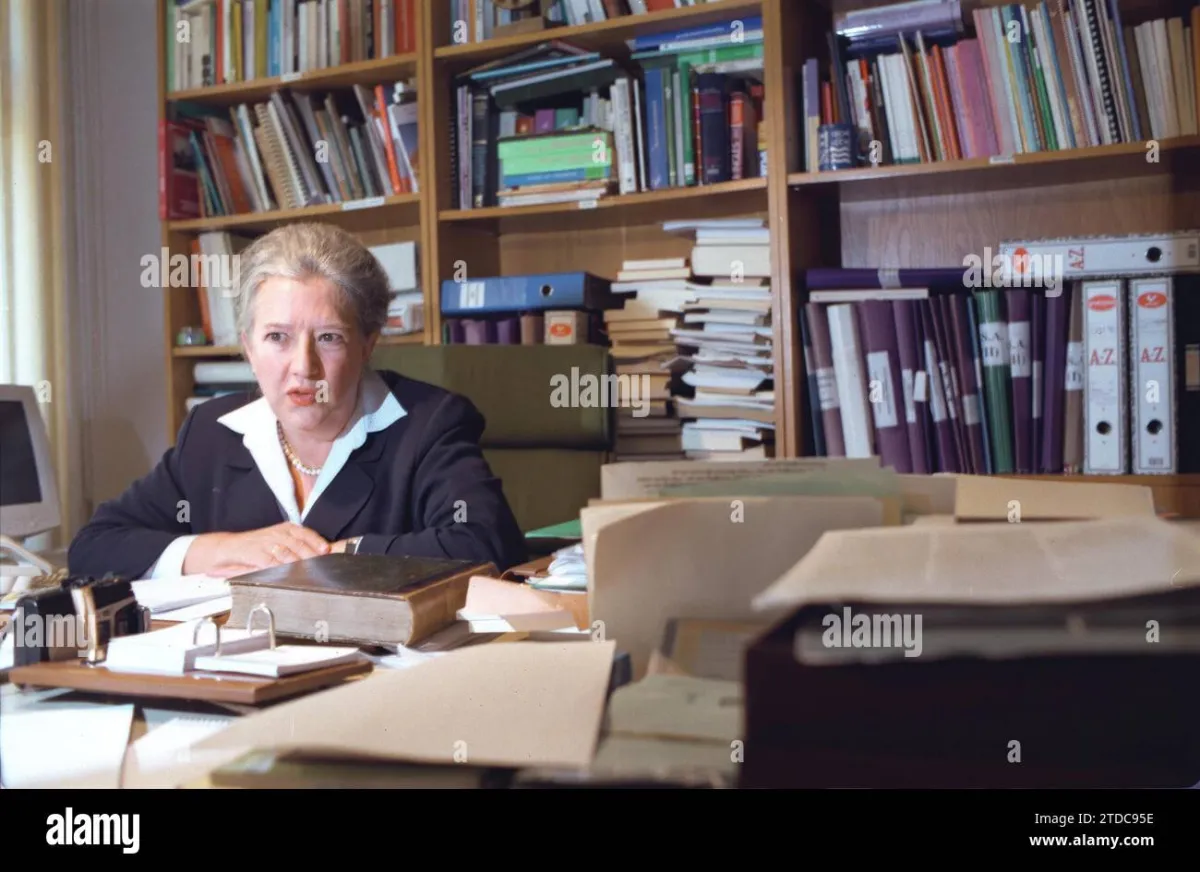 Photo: Angeles Duran, via c8.alamy.com
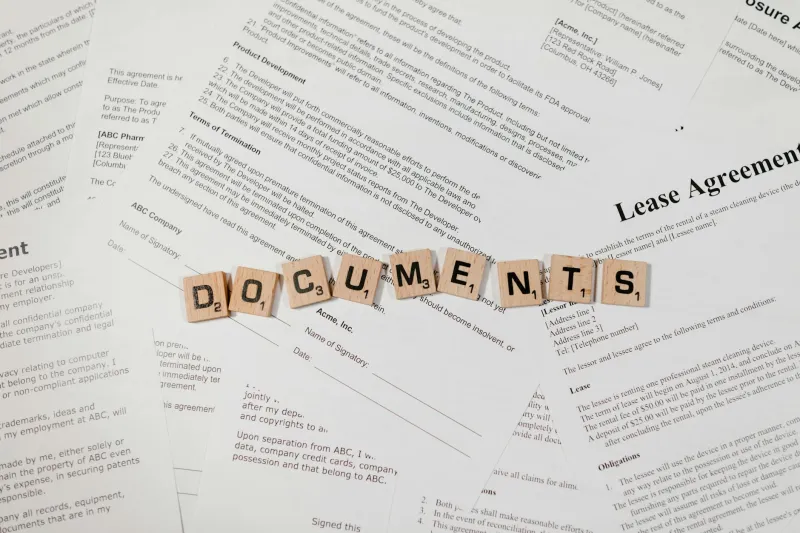
The notary, probably thinking this was some kind of elaborate joke, reviewed her paperwork. But Duran had done her homework. She'd discovered that while the 1967 Outer Space Treaty prevents nations from claiming ownership of celestial bodies, it says absolutely nothing about individuals doing so.
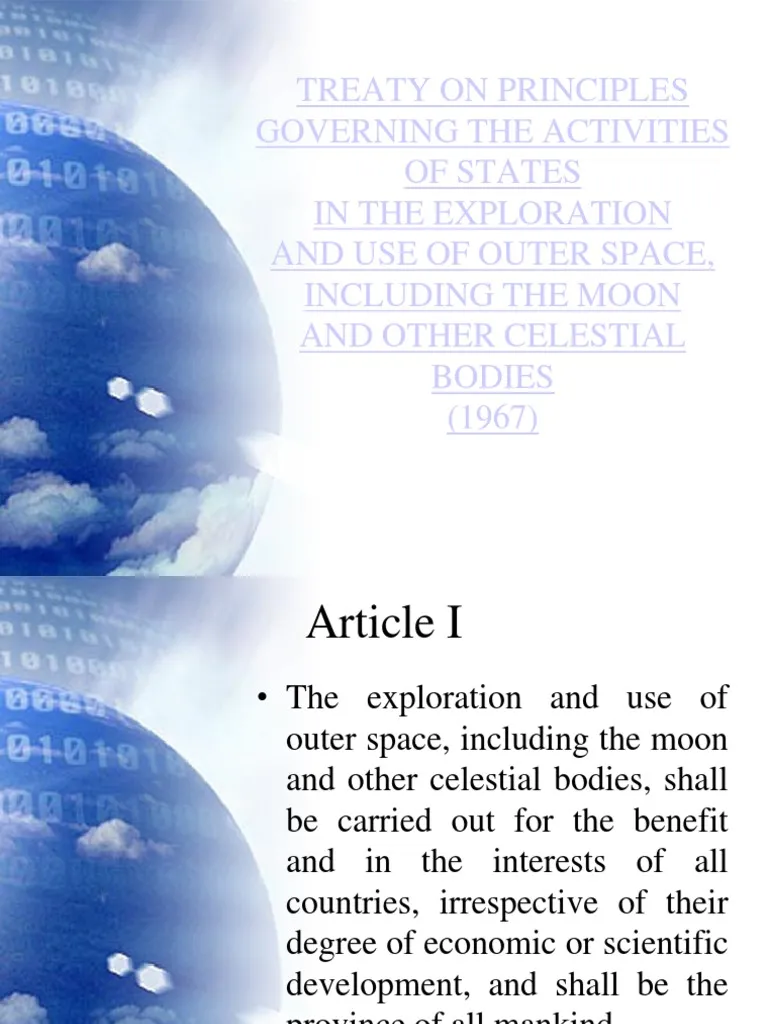 Photo: Outer Space Treaty, via imgv2-1-f.scribdassets.com
So the notary stamped her documents. Angeles Duran became the first and only human being to hold a legal deed to the Sun.
When Bureaucracy Meets the Solar System
Duran didn't stop at just owning Earth's primary energy source. She immediately announced her business plan: she would charge everyone on the planet for using her sun. Her proposed rate was modest — just a few cents per person per year — but when you multiply that by 7 billion people, you're looking at serious money.
She even promised to be a responsible solar landlord. Half the proceeds would go to the Spanish government, 20% to the nation's pension fund, 10% to research, 10% to ending world hunger, and she'd keep a reasonable 10% management fee for herself.
The Spanish media went wild. International news outlets picked up the story. Suddenly, a small-town woman who worked at a local notary office was fielding interview requests from around the world about her cosmic real estate empire.
The Legal Loophole That Broke Space Law
Here's where things get genuinely unsettling: Duran's claim wasn't just a publicity stunt. Legal experts who examined her case couldn't find a way to challenge it.
The Outer Space Treaty of 1967 was written during the Cold War when the primary concern was preventing the United States and Soviet Union from claiming the Moon or Mars. The treaty's language specifically prohibits "national appropriation" of celestial bodies, but individual ownership? That's a legal gray area the size of a solar system.
"There is no law that says an individual can't own a star," Duran told reporters at the time. And she was absolutely right.
Several lawyers confirmed that while her claim was absurd, it was also technically legal under current international law. No court had jurisdiction to overturn her ownership, and no government had standing to challenge it.
The Cosmic Landlord's Collection Problem
Of course, owning the Sun and actually collecting rent from 7 billion people are two very different challenges. Duran quickly discovered that being the solar system's first cosmic landlord came with some practical difficulties.
How do you serve eviction notices to an entire planet? What's the penalty for non-payment when your tenants literally can't survive without your product? And who exactly do you sue when entire continents decide to ignore your invoices?
Duran never actually managed to collect on her solar billing scheme, but not for lack of trying. She set up a website, printed business cards identifying herself as "Owner of the Sun," and continued giving interviews about her celestial property portfolio.
What Happens When Space Law Meets Reality
Duran's solar ownership saga reveals something genuinely disturbing about humanity's legal preparedness for the space age. We've spent decades developing technology to explore and potentially colonize other worlds, but our legal frameworks are still stuck in 1967.
What happens when private companies start mining asteroids? Who owns the minerals they extract? What about the first person to build a permanent base on Mars — do they get to claim the land it sits on?
Duran's case proved that these aren't theoretical questions anymore. They're legal time bombs waiting to explode the moment someone with enough money and lawyers decides to test the system.
The Sun Sets on Solar Ownership
Angeles Duran never became the solar energy mogul she envisioned, but her legal victory remains unchallenged. Technically, she still owns the Sun — at least according to Spanish property law.
Her story became a global sensation precisely because it sounds completely impossible while being perfectly legal. In a world where you can't park your car without permits, licenses, and registration fees, somehow nobody thought to regulate ownership of the giant nuclear reactor that powers all life on Earth.
The next time you step outside and feel sunlight on your face, remember: you're technically trespassing on someone else's property. And somewhere in Spain, a woman has the paperwork to prove it.