The Two-Hour Speech That History Forgot — And the 272 Words That Changed Everything
The Greatest Opening Act in American History
Imagine preparing for months to deliver the speech of your lifetime, crafting every word with meticulous care, only to be upstaged by someone who scribbled their remarks on the back of an envelope. That's exactly what happened to Edward Everett on November 19, 1863, when he delivered what was supposed to be the defining speech at the dedication of the Gettysburg battlefield.
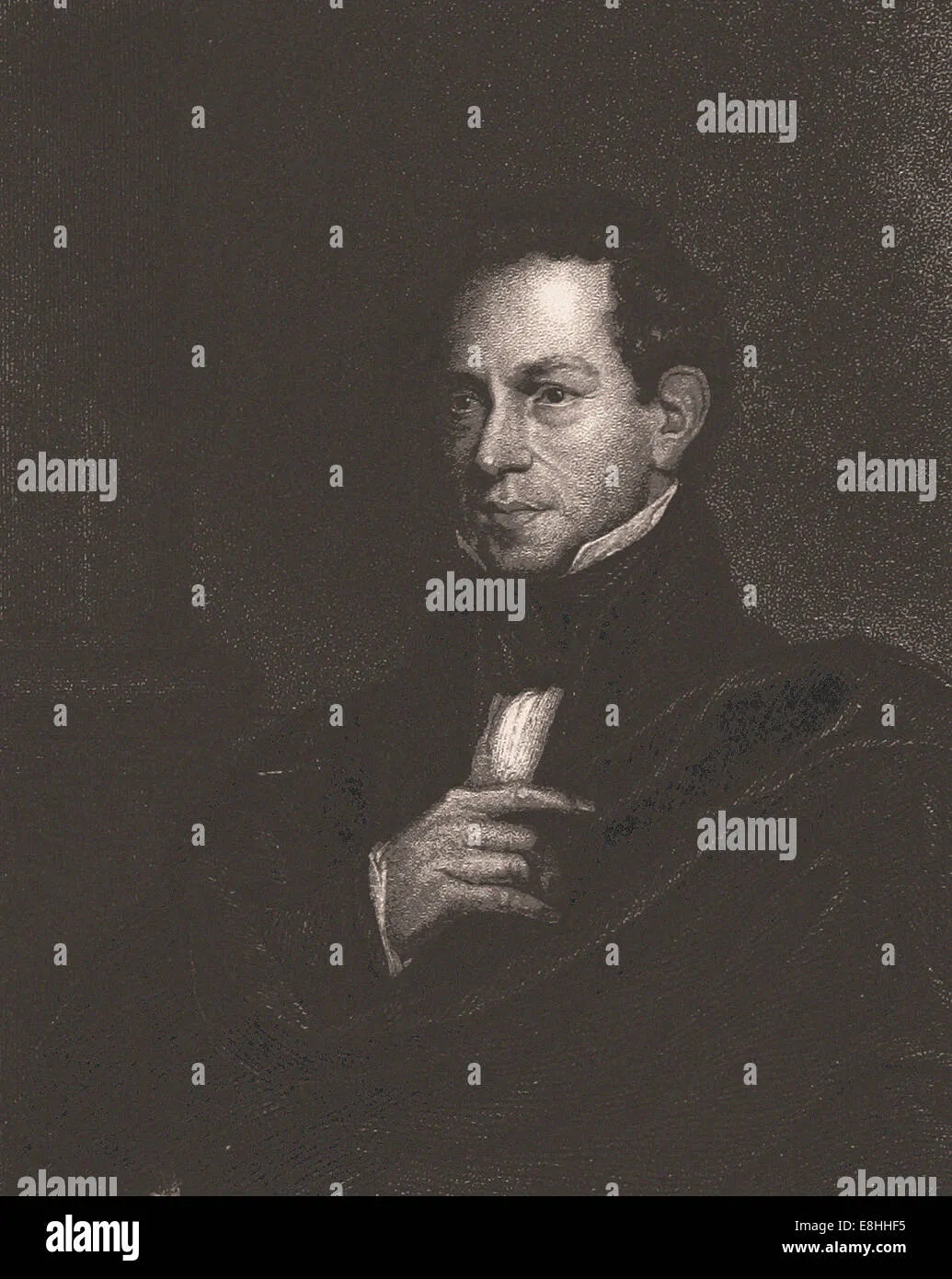 Photo: Edward Everett, via c8.alamy.com
Everett was the headliner that day — America's most celebrated orator, a former Harvard president, and the man everyone came to hear. Abraham Lincoln was just supposed to offer a few brief "dedicatory remarks" after Everett's grand performance.
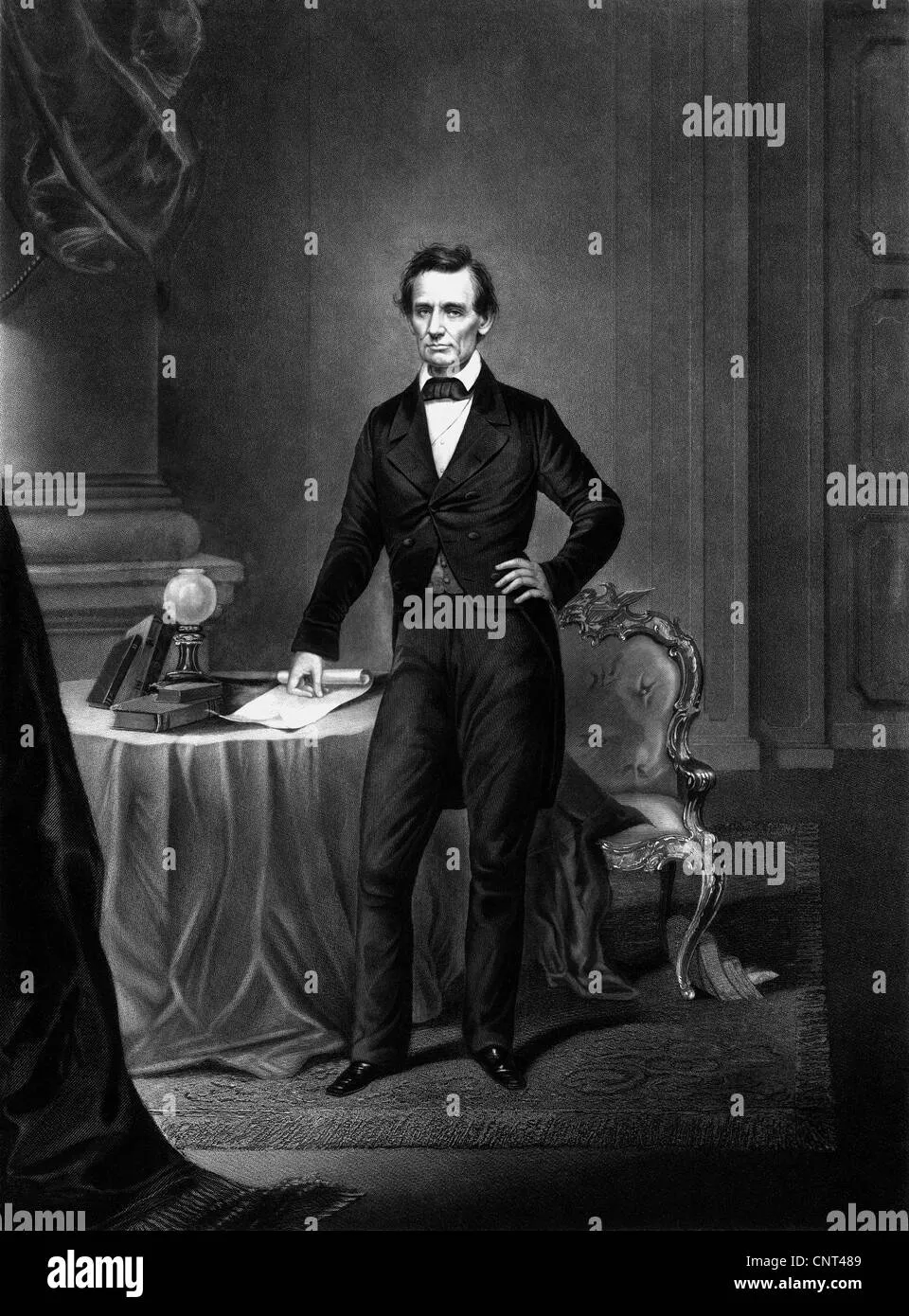 Photo: Abraham Lincoln, via c8.alamy.com
Two hours and 13,607 words later, Everett finished his meticulously crafted masterpiece. Then Lincoln stood up and spoke for exactly two minutes and seventeen seconds. History promptly forgot everything Everett said and immortalized every word that came out of Lincoln's mouth.
When Preparation Meets Improvisation
Edward Everett had spent weeks preparing for Gettysburg. He visited the battlefield multiple times, interviewed survivors, studied maps, and researched classical references that would elevate his speech to the level of great oratory. His address was a scholarly tour de force, complete with detailed descriptions of the battle, philosophical reflections on democracy, and elaborate comparisons to ancient Greek funeral orations.
Everett's speech was everything a formal dedication was supposed to be: dignified, comprehensive, and appropriately lengthy for such a solemn occasion. He traced the entire three-day battle, honored both Union and Confederate dead, and placed the Civil War in the grand sweep of human history.
Meanwhile, Lincoln was still tinkering with his remarks on the train to Gettysburg. Some accounts suggest he wrote them on White House stationary, others claim he used the back of an envelope. What everyone agrees on is that Lincoln's speech was almost comically brief by the standards of 19th-century oratory.
The Performance That Should Have Made History
When Everett took the podium at 12:30 PM, he commanded the crowd of 15,000 with the authority of a man who had been delivering speeches since before Lincoln entered politics. His voice carried across the battlefield as he painted vivid pictures of the carnage that had occurred just four months earlier.
"Standing beneath this serene sky, overlooking these broad fields now reposing from the labors of the waning year, the mighty Alleghenies dimly towering before us, the graves of our brethren beneath our feet, it is with hesitation that I raise my poor voice to break the eloquent silence of God and Nature," Everett began, setting a tone of classical grandeur.
For two hours, he held the audience spellbound. He described Pickett's Charge in detail, analyzed the strategic decisions of both armies, and drew parallels between the American Civil War and ancient conflicts. It was oratory as high art, the kind of performance that made reputations and filled lecture halls across the country.
The crowd loved it. Newspapers the next day praised Everett's "magnificent oration" and his "scholarly and eloquent address." By all accounts, he had delivered exactly the kind of speech the occasion demanded.
Then Lincoln Happened
When Lincoln rose to speak at 2:47 PM, many in the crowd were probably checking their pocket watches and thinking about the long trip home. The program listed his contribution as "Dedicatory Remarks by the President of the United States," which suggested something brief and ceremonial.
Lincoln's entire speech lasted less time than it takes to read this section of this article. In 272 words, he managed to reframe the entire purpose of the gathering, redefine the meaning of the Civil War, and create what many consider the greatest speech in American history.
While Everett had focused on the specific details of the battle, Lincoln zoomed out to talk about democracy itself. While Everett described what had happened at Gettysburg, Lincoln talked about what it meant for the future of America.
The Aftermath of Accidental Genius
Here's what makes this story truly remarkable: Edward Everett immediately recognized what had happened. The next day, he wrote to Lincoln: "I should be glad if I could flatter myself that I came as near to the central idea of the occasion in two hours as you did in two minutes."
Everett wasn't bitter about being overshadowed — he was gracious enough to recognize greatness when he heard it. But the contrast between their approaches reveals something fascinating about how history decides what to remember.
Everett's speech was everything people expected from formal oratory: learned, detailed, and appropriately long. Lincoln's was everything it shouldn't have been: brief, simple, and almost conversational. Yet Lincoln's "few appropriate remarks" became the gold standard for presidential eloquence while Everett's masterpiece became a historical footnote.
Why History Chose Lincoln
The reason Lincoln's speech endured while Everett's disappeared isn't just about quality — it's about what each man was trying to accomplish. Everett was delivering a traditional funeral oration, honoring the dead and describing their sacrifice. Lincoln was doing something more radical: he was arguing that the living had a responsibility to continue the work the dead had started.
Everett looked backward; Lincoln looked forward. Everett spoke to the moment; Lincoln spoke to eternity. Everett gave people what they expected; Lincoln gave them what they needed to hear.
The Speech That Time Forgot
Today, you can read Lincoln's Gettysburg Address carved in marble at the Lincoln Memorial. School children memorize it. Historians analyze every word. Meanwhile, Edward Everett's two-hour masterpiece exists mainly in archives, a reminder that sometimes the most carefully prepared performance can be overshadowed by a moment of unexpected brilliance.
The real tragedy isn't that Everett was forgotten — it's that his speech actually was quite good. But in the lottery of historical memory, being very good isn't enough when you're sharing the stage with accidental genius.