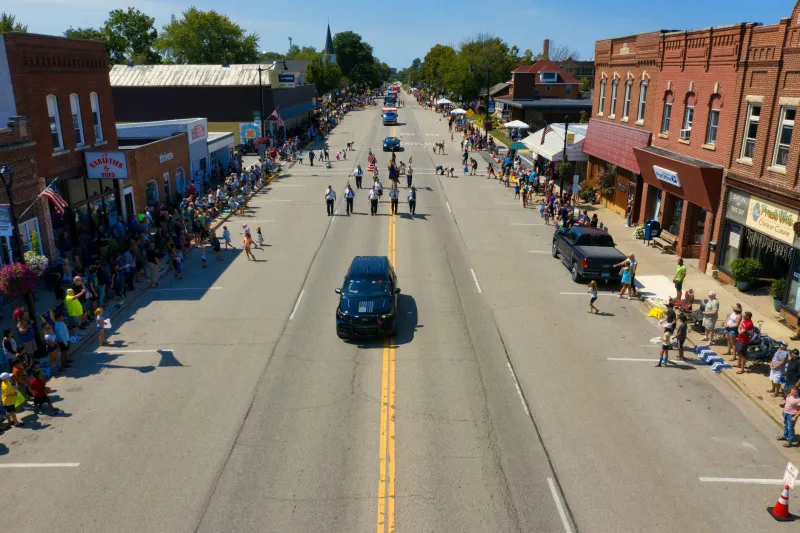
When Minnesota Declared War on America Over Bad Roads — And Canada Almost Said Yes
The Pothole That Broke the Union
Some towns throw parades when they're unhappy with government services. Others write strongly worded letters to their representatives. But in 1977, the residents of Kinney, Minnesota decided to do something no American community had attempted since the Civil War: they formally seceded from the United States.
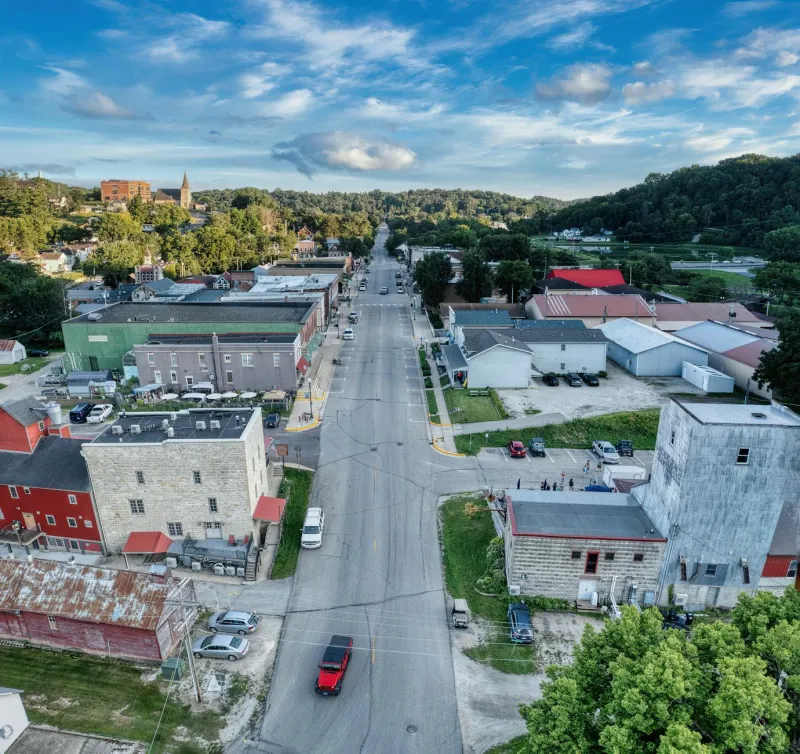
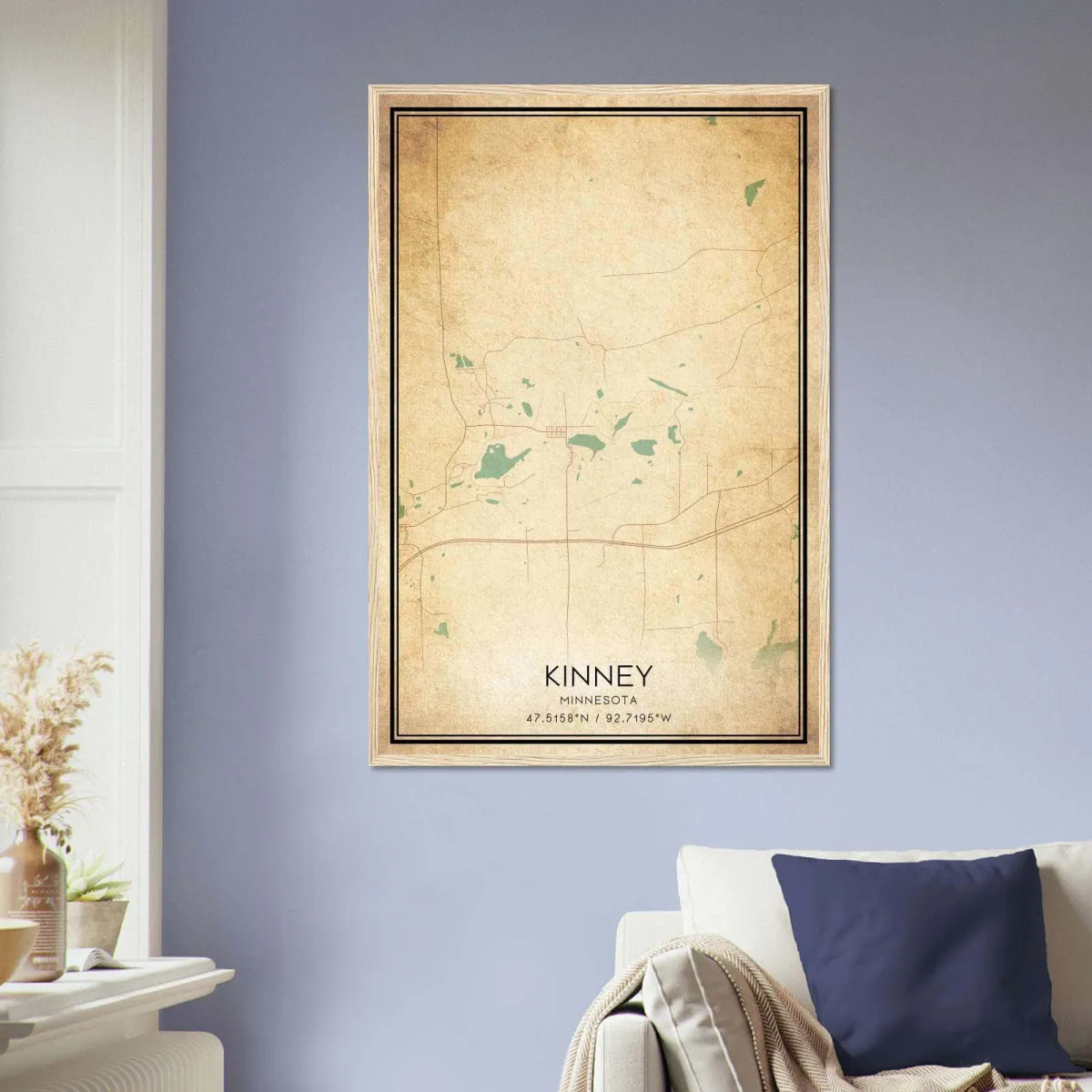 Photo: Kinney, Minnesota, via images.mapmory.com
Their reason? A pothole. Well, technically dozens of potholes, along with roads so deteriorated that the mail carrier refused to deliver during spring thaw season.
When Civic Pride Meets Canadian Diplomacy
Kinney wasn't exactly a metropolis. With a population hovering around 50 people, this unincorporated community near the Canadian border had been pleading with state officials for road repairs for years. Their main thoroughfare looked more like a cratered moonscape than a functional road, and residents were tired of replacing car axles every few months.
So on a particularly frustrated evening at the local cafe, someone suggested a radical solution: if Minnesota wouldn't take care of them, maybe Canada would.
What happened next reads like a bureaucratic comedy sketch. The residents drafted an official "Declaration of Secession" and mailed it to the Canadian Embassy in Washington, D.C., formally requesting to join Canada as its newest province.
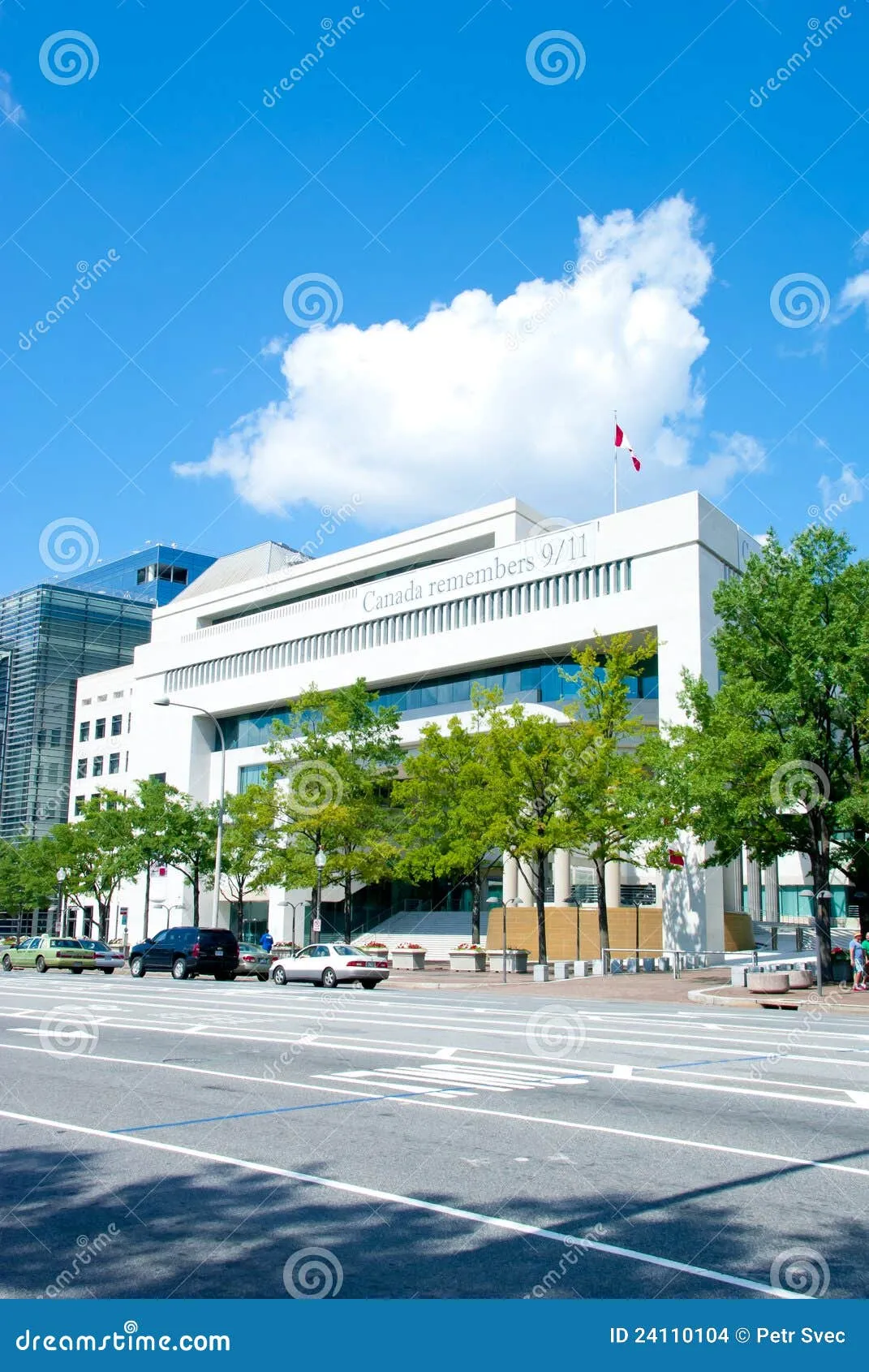 Photo: Canadian Embassy in Washington, D.C., via thumbs.dreamstime.com
They weren't entirely joking.
The Paperwork That Made History
The declaration, typed on official letterhead borrowed from the local grain elevator, cited "gross negligence in road maintenance" and "abandonment by state authorities" as grounds for seeking "political asylum with our neighbors to the north." They even included a hand-drawn map showing their proposed borders and a population census written on the back of a napkin.
Most governments would have filed this under "amusing correspondence" and forgotten about it. But Canadian officials, apparently charmed by the audacity of the request, actually wrote back.
The response, on official Government of Canada letterhead, politely explained the constitutional process for provincial admission while acknowledging that Kinney's road situation "appears to present legitimate municipal challenges." The letter concluded by suggesting they "pursue available remedies within existing American governmental frameworks" but thanked them for "considering Canada as an alternative."
When Publicity Stunts Get Real
Word of the exchange leaked to local media, and suddenly Kinney found itself at the center of an international incident that nobody quite knew how to handle. State officials, embarrassed by the negative publicity, scrambled to respond. The Canadian consulate in Minneapolis received dozens of phone calls asking whether the secession was being "seriously considered."
Meanwhile, residents of Kinney were fielding interview requests from as far away as London and Tokyo. The story had everything journalists loved: small-town rebellion, international intrigue, and roads so bad they'd driven Americans to seek foreign citizenship.
The Roads That Fixed Themselves
Within six weeks of the secession declaration, a convoy of state highway department trucks arrived in Kinney. The roads were completely resurfaced, drainage ditches were cleared, and new signage was installed. The transformation was so dramatic that neighboring communities started joking about drafting their own secession papers.
Officially, the timing was coincidental. State officials insisted the road work had been "scheduled for months" and had nothing to do with the Canada situation. But residents of Kinney weren't buying it, and neither was anyone else paying attention.
The Diplomatic Epilogue
The story should have ended there, but bureaucracy has a way of outliving the problems that created it. For months afterward, the Canadian Embassy continued receiving mail addressed to "Kinney Province, Canada." Tourism officials in Manitoba started getting phone calls asking for directions to "that American town that joined Canada."
The confusion was so persistent that both governments eventually issued joint statements clarifying that no territorial transfer had occurred and that Kinney remained "firmly within the borders of the United States."
Why Nobody Talks About It Anymore
Despite making international headlines for weeks, the Kinney secession story largely disappeared from public memory. Local newspapers archived their coverage, state officials preferred not to discuss it, and even residents of Kinney seemed content to let the story fade.
Part of the reason was timing. The late 1970s were full of bigger news, and a small-town road dispute couldn't compete with national politics and international crises. But there was also something uniquely American about the whole episode that made everyone involved slightly uncomfortable.
The fact that a handful of frustrated citizens could generate genuine diplomatic correspondence by threatening to leave the country highlighted just how responsive government could be when properly motivated. It also suggested that sometimes the most effective way to solve local problems was to make them embarrassing enough that ignoring them became politically impossible.
The Legacy of the Great Pothole Rebellion
Today, Kinney's roads are in excellent condition. The town never did join Canada, though a few residents still joke about keeping their secession papers "just in case." The Canadian government, for its part, seems to have learned its lesson about responding to unusual diplomatic requests with anything other than form letters.
But the story raises fascinating questions about the relationship between citizens and government in America. What happens when local problems become so intractable that people start looking for alternatives to the system itself? And why did it take the threat of international defection to get a few miles of rural road repaired?
In the end, the Kinney secession stands as perhaps the only successful municipal rebellion in American history — not because they actually left the United States, but because they discovered that sometimes the most effective way to get government attention is to threaten to find a government that works.