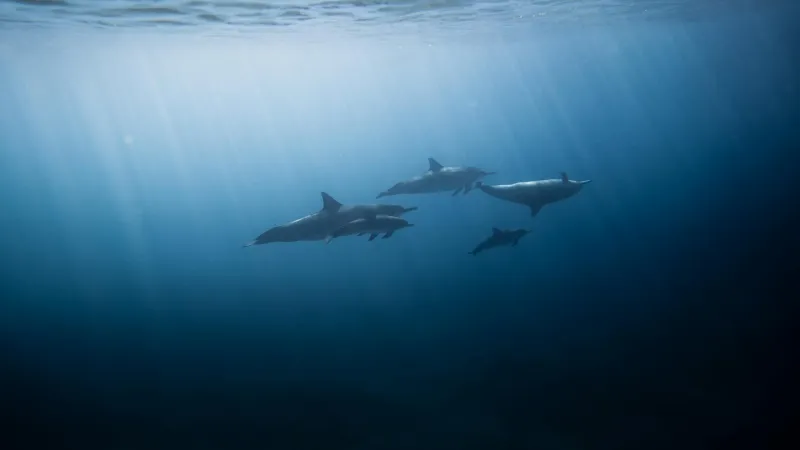
Meet the Navy's Secret Weapon: Dolphins Who Actually Fought in Wars
The U.S. Navy spent decades training bottlenose dolphins to detect enemy divers and protect nuclear submarines. The program worked so well that it's still classified today.
True stories that sound completely made up.
The U.S. Navy spent decades training bottlenose dolphins to detect enemy divers and protect nuclear submarines. The program worked so well that it's still classified today.
Hiroo Onoda continued World War II guerrilla operations in the Philippines until 1974, convinced Japan was still fighting. His refusal to surrender despite decades of evidence created one of history's most persistent cases of reality denial.
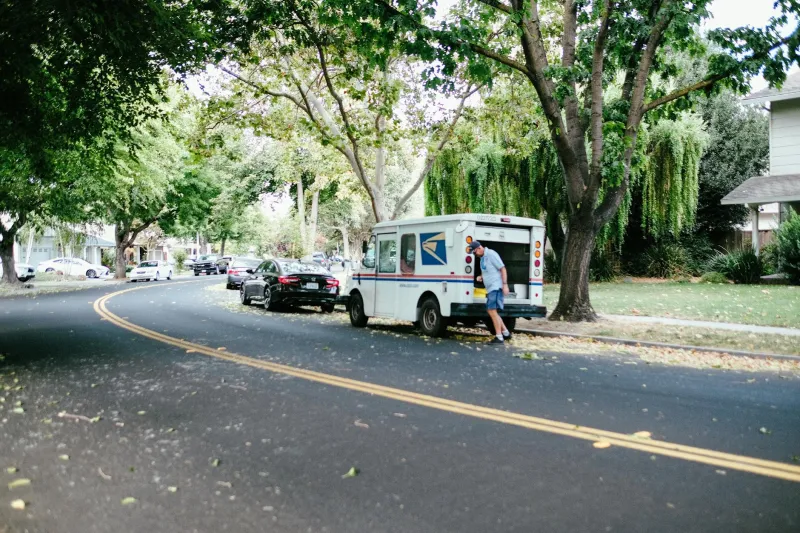
In the early 1900s, creative American families discovered they could mail their children to relatives cheaper than buying train tickets. Postal workers dutifully delivered the kids, following regulations that nobody had thought to write properly.
A surveying mistake in colonial Vermont created a tiny strip of land that belonged to neither the United States nor Canada for two centuries. Families lived, worked, and raised children in this accidental no-man's-land where normal laws simply didn't apply.
Robert Ressler pioneered criminal profiling by interviewing the most dangerous killers in America. Years later, investigators would use his exact methods to catch new killers whose behavior matched his research so precisely it felt less like science and more like prophecy.
Since the 1930s, the federal government has written checks to American farmers specifically for not farming their land. What started as a Depression-era emergency measure became one of the longest-running programs in U.S. history—and it's still paying out today.
When Kevin Baugh proclaimed his property the Republic of Molossia in 1977 and declared war on East Germany, he never expected to win. But when East Germany simply stopped existing, Molossia found itself technically victorious in the world's most one-sided conflict.
In 1933, Franklin D. Roosevelt signed an executive order making it illegal for Americans to own gold. The government threatened prison time for non-compliance. And remarkably, the vast majority of citizens simply obeyed.
In 1859, a former railroad conductor drilled a well in rural Pennsylvania looking for fresh water and struck something far more valuable. What happened next was chaos, fortune, and the accidental birth of the modern oil industry.
In 1977, a Nevada homeowner declared his property an independent nation and somehow ended up in a technical state of war with the United States. Nearly 50 years later, that war has never officially ended—and the U.S. government still hasn't acknowledged it happened.
Violet Jessop was a stewardess and nurse who worked aboard all three of the White Star Line's sister ships — and managed to be present for the worst disaster each one suffered. The Titanic sank. The Britannic sank. The Olympic collided with a warship. Violet walked away from all of it and kept showing up for work.
Tsutomu Yamaguchi was in Hiroshima on business when the United States dropped the world's first combat nuclear weapon on August 6, 1945. He survived, bandaged his wounds, and traveled home to Nagasaki — arriving just in time for the second bomb three days later. He lived to 93. This is his story.
In 2014, the residents of Cormorant, Minnesota handed their mayoral office to a Great Pyrenees named Duke — and then did it again, and again, and again. This is the completely true story of America's most unlikely elected official, and the tiny community that decided he was exactly what they needed.