The 1938 Radio Show That Didn't Cause a Nationwide Panic — Except for All the Parts Where It Absolutely Did
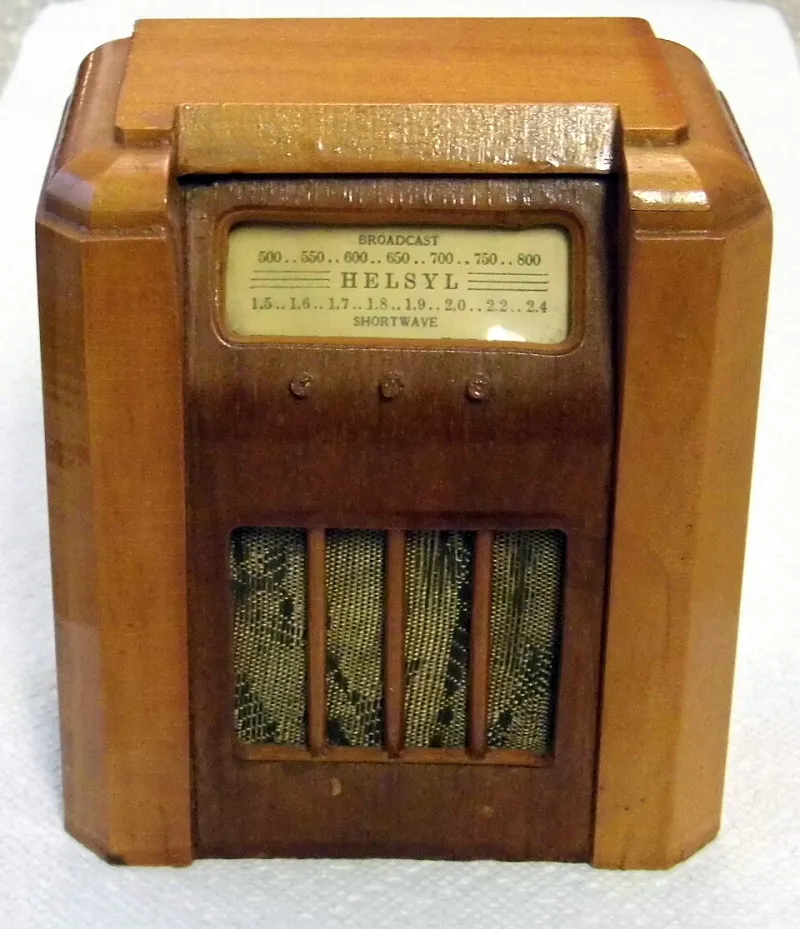
Photo: Joe Haupt from USA, CC BY-SA 2.0, via Wikimedia Commons
The Legend You Already Know
You've heard this one: on Halloween Eve 1938, Orson Welles and the Mercury Theatre aired a radio adaptation of The War of the Worlds, complete with fake news bulletins about Martian landings in New Jersey. America, we're told, lost its collective mind. Families fled their homes. Highways clogged with panicked refugees. The power of mass media was revealed in a single terrifying hour.
Here's the twist: almost none of that happened. And yet, the parts that did happen are somehow weirder.
The Panic Was Mostly a Newspaper Invention
The audience for the broadcast was modest — somewhere around six million listeners, many of whom were already flipping dials away from a much more popular ventriloquist act on another station. Surveys taken shortly after by the C. E. Hooper ratings firm found that the vast majority of listeners did exactly what you'd expect: enjoyed the drama, felt a little spooked, and went to bed.
So where did the "nationwide hysteria" story come from? Newspapers. The press had spent years fretting that radio was stealing its advertising revenue and its cultural authority, and here was a gift: proof, they claimed, that this irresponsible new medium could send millions fleeing into the night. The hysteria narrative got repeated so loudly and so often that it became history. Scholars like Jefferson Pooley and Michael Socolow have documented how the panic was largely manufactured — a media event about a media event.
But Here's the Part That's Real
While most of the country slept, a genuinely strange scattering of incidents did occur, and they're the reason the story has a true core:
- A New Jersey man called police to report he could see smoke from the Martian cylinders on the horizon. It was, presumably, smoke.
- A farmer in Grover's Mill, New Jersey — the fictional invasion site — grabbed a shotgun and reportedly fired at a water tower he mistook for a Martian war machine, briefly convincing himself he'd wounded an alien.
- Police in several cities received so many calls that some stations were jammed, and at least one dispatcher reportedly told callers, quote, "Please be patient — the Martians won't be here for a while."
- A few lawsuits were filed against the network, seeking damages for "mental anguish." All were eventually dismissed, but the fact that people felt they had legal standing to sue over a radio play tells you something.
- A man in Pittsburgh's train station reportedly ran out mid-broadcast screaming that the world was ending — an anecdote that made the papers and helped fuel the myth.
None of this constitutes mass panic. But each individual story is a small, perfect piece of absurdity: real people, doing real things, in response to a fiction they half-believed for a few minutes.
The Broadcast That Outlived Its Own Truth
The deepest irony? The legend of the panic became bigger and more influential than the broadcast itself. It's cited in textbooks about media effects, used in journalism classes, and invoked during every new technological scare. The myth, in other words, had a bigger impact on America than the event.
Orson Welles, ever the showman, held a sheepish press conference the next day and apologized for the chaos — while also being canny enough to understand that controversy had just made him a household name. He was 23 years old. Within a decade he'd directed Citizen Kane.
So no, Martians didn't send America fleeing into the hills. But a water tower in New Jersey took a shotgun blast on behalf of interplanetary relations, and somewhere in a legal archive, dismissed lawsuits over imaginary aliens still sit on file. Unreal — but real.